


There’s something about Italian steel bikes that refuses to disappear.
Even now—when carbon dominates everything from WorldTour racing to weekend group rides—small workshops across Italy are still cutting, mitering and brazing tubes by hand. Not out of nostalgia, but because for certain riders, a custom frame still solves problems that standard bikes don’t quite address.
And once you start looking into it, you quickly realize that “custom” doesn’t mean the same thing everywhere.

More than just made-to-measure
Some builders work by adapting proven geometries, refining details and proportions. Others start from scratch, working backwards from the rider: how they move, how they sit on the bike, how they distribute weight over long distances.
The difference isn’t always visible on paper—but it’s often what defines how a bike feels after a few hours in the saddle.
That’s why comparing builders purely by material or price tends to miss the point. What matters more is the design philosophy behind the frame.
A fragmented but interesting landscape
The Italian scene doesn’t revolve around a single approach. It’s a mix of heritage brands, engineering-driven companies and small builders working very closely with individual riders. Some names come up consistently.
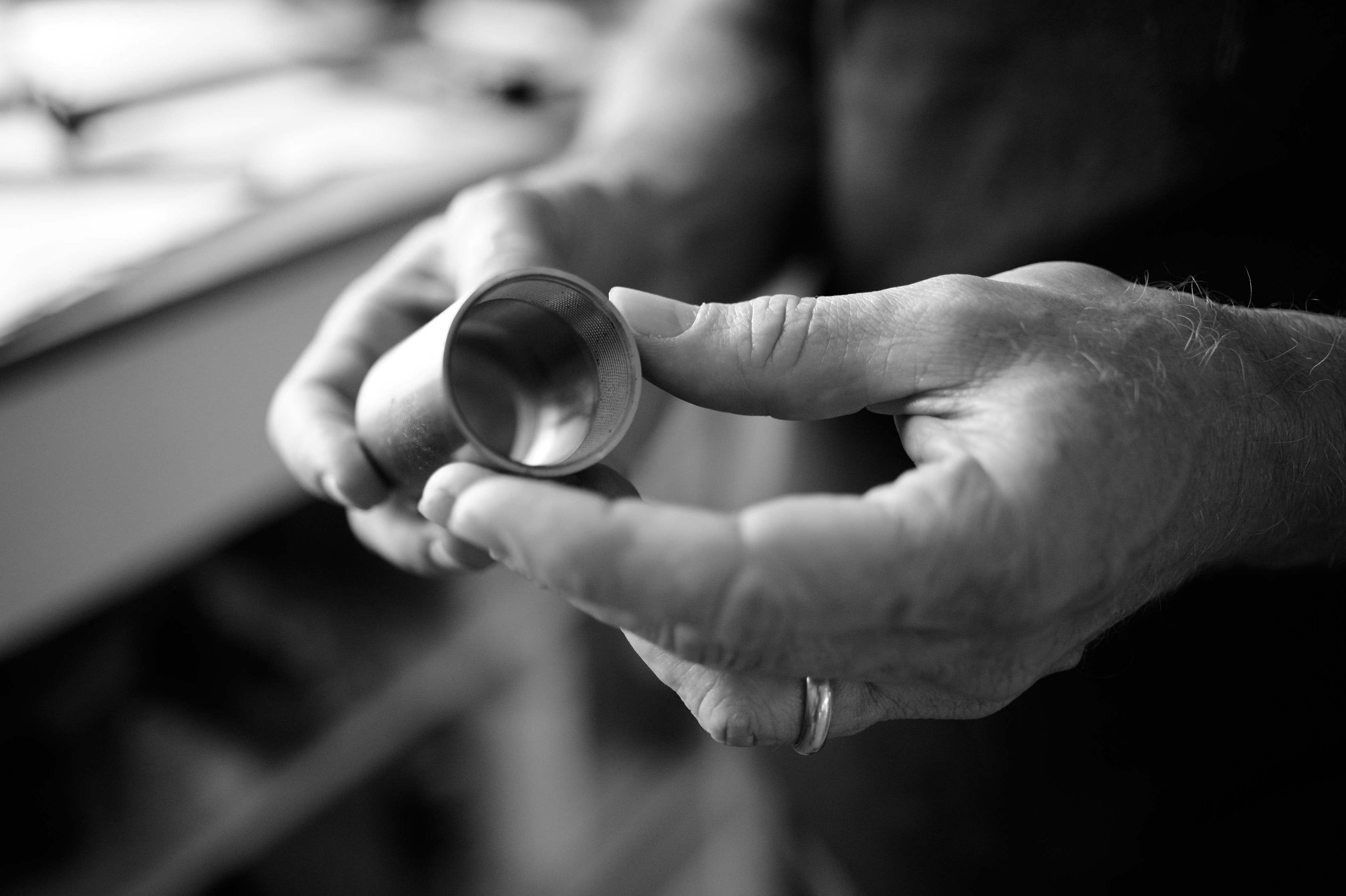
Forgione Telai
At the other end of the spectrum, some builders take a more rider-driven approach.
Forgione Telai is one of those cases where the starting point is not the frame, but the rider. Geometry is developed around posture, proportions and real riding dynamics, rather than adapting an existing model.
It’s a quieter approach compared to more design-driven brands, but for certain riders—especially those who struggle with fit—it tends to be where custom starts to make real sense.

So, how do you choose?
There isn’t a clear ranking—and that’s part of the point.
If you’re looking for something visually distinctive, some builders clearly lean in that direction. If your priority is fit and long-distance comfort, others focus more on how the bike interacts with your body over time.
In practice, most riders don’t need “the best builder”. They need the right one for how—and why—they ride.
So what?
Custom steel frames in Italy are less about chasing performance gains and more about refining the relationship between rider and bike.
And in a market increasingly driven by standardization, that’s probably why they still exist.
